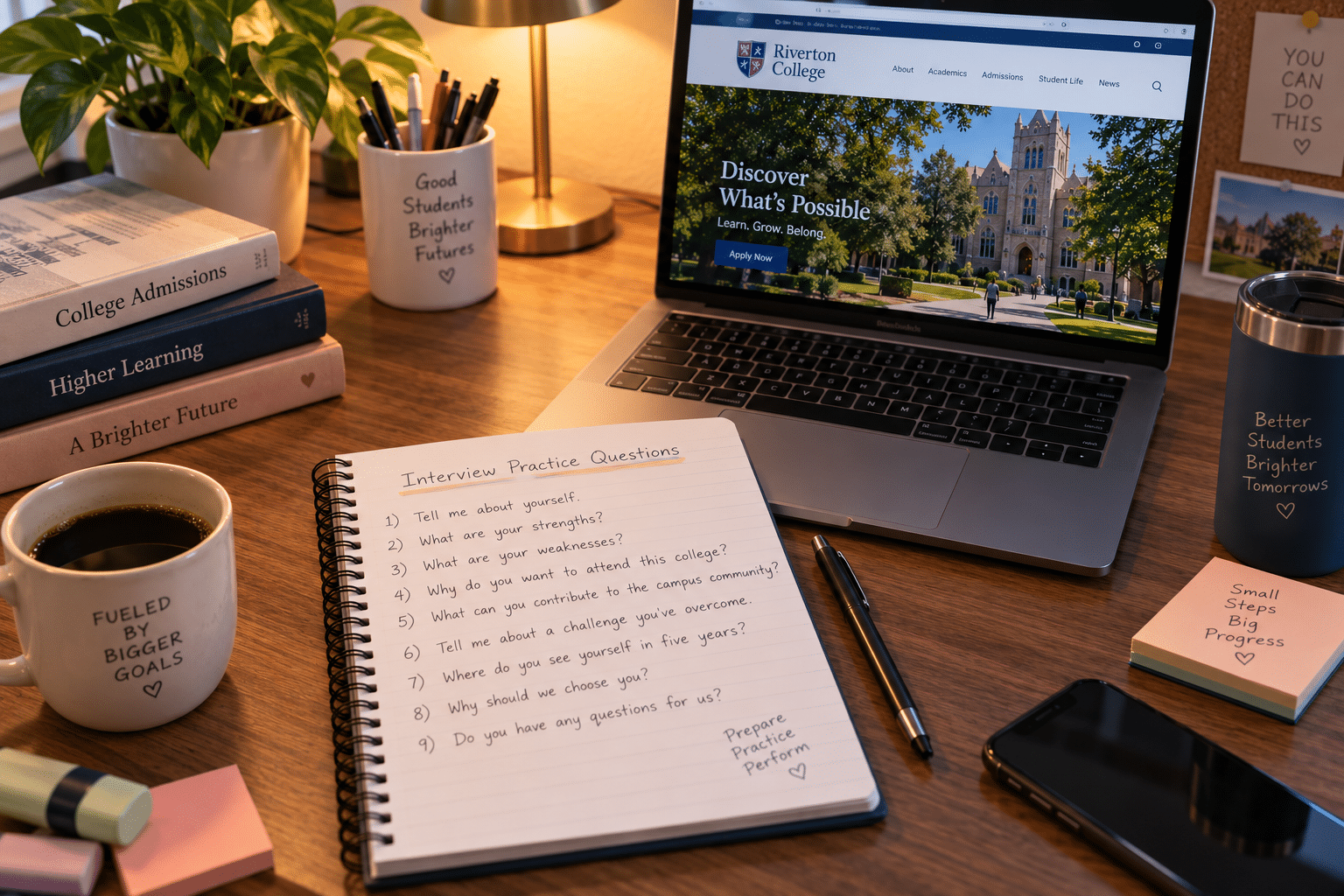
Prepare by researching the college in depth, reviewing your own application and personal statement, practicing answers to common questions like “Why this school?” out loud, and preparing a few thoughtful questions of your own. Confirm ahead of time whether the interview is evaluative or purely informational, since that changes how much weight it carries in the admissions decision.
How This Relates to College Planning Source
College Planning Source doesn’t list standalone interview coaching as a service; its programs focus on college funding, student development, and the application and essay process, delivered through one-on-one Zoom sessions with a Certified College Planning Counselor. Families working through that broader process are still building the same self-knowledge — clear goals, a defined major interest, a well-articulated personal story — that makes an interview easier. The company currently offers a complimentary one-on-one college planning assessment.
Quick Takeaways
- Interviews are more common at selective, smaller private colleges and rare at large public universities, which typically receive too many applicants to interview everyone.
- Interviews are either evaluative (notes go into your file and can influence the decision) or informational (mainly a chance for you to learn about the school) — ask which type yours is.
- Admissions directors widely describe the interview as one of the least heavily weighted parts of the application, though it can tip a borderline decision.
- Most interviews run 30–60 minutes and are increasingly offered by video as well as in person.
- If an interview is offered but not required, taking it generally helps more than skipping it because it shows interest in the school.
- College Planning Source’s Certified College Planning Counselors work with students throughout the admissions process—student development, essays, and applications—through complimentary Zoom consultations.
What Is a College Admissions Interview?

A college admissions interview is a conversation between an applicant and an admissions representative, alumnus, or current student, meant to give the college a fuller picture of the applicant beyond grades and test scores. It also gives the student a chance to ask questions and get a feel for the school.
Interviews are typically conducted by one of three types of people: an admissions officer (usually for on-campus interviews), a trained alumni volunteer (common for schools that offer off-campus interviews near where the applicant lives), or, less often, a panel that includes current students or faculty. Some schools, particularly since the pandemic, now offer or require video interviews instead of in-person meetings.
Do Colleges Actually Require an Interview?
Very few colleges require an interview, and it’s almost always the more selective or smaller private schools that offer one at all — most large public universities skip interviews entirely because of the sheer number of applicants. Whether a school offers, recommends, or requires an interview is published on that college’s own admissions website.
Selective schools, including several in the Ivy League, have historically used evaluative alumni interviews as part of a holistic review, while other highly selective schools have moved away from requiring interviews altogether because of application volume. Because policies vary school by school, the most reliable step is to check each target college’s admissions page directly rather than assume a policy applies across every school on a list.
What Are the Different Types of College Interviews?
College interviews generally fall into two categories: evaluative, where the interviewer’s notes are added to your file and may factor into the decision, and informational, where the meeting exists mainly to answer your questions about the school. Ask directly which type you’re being offered if it isn’t already clear.
On-Campus vs. Alumni Interviews
Admissions staff usually conduct on-campus interviews, while alumni volunteers typically handle off-campus interviews near the applicant’s hometown. Both types can be evaluative, so prepare for an alumni interview as thoroughly as you would for an on-campus one.
In-Person vs. Video Interviews
Many schools now offer video interviews as an alternative to in-person meetings, and a small number have replaced traditional interviews with short recorded video submissions instead. Test your camera, microphone, and internet connection before any virtual interview, just as you would before an in-person one.
How Should You Prepare Before Interview Day?
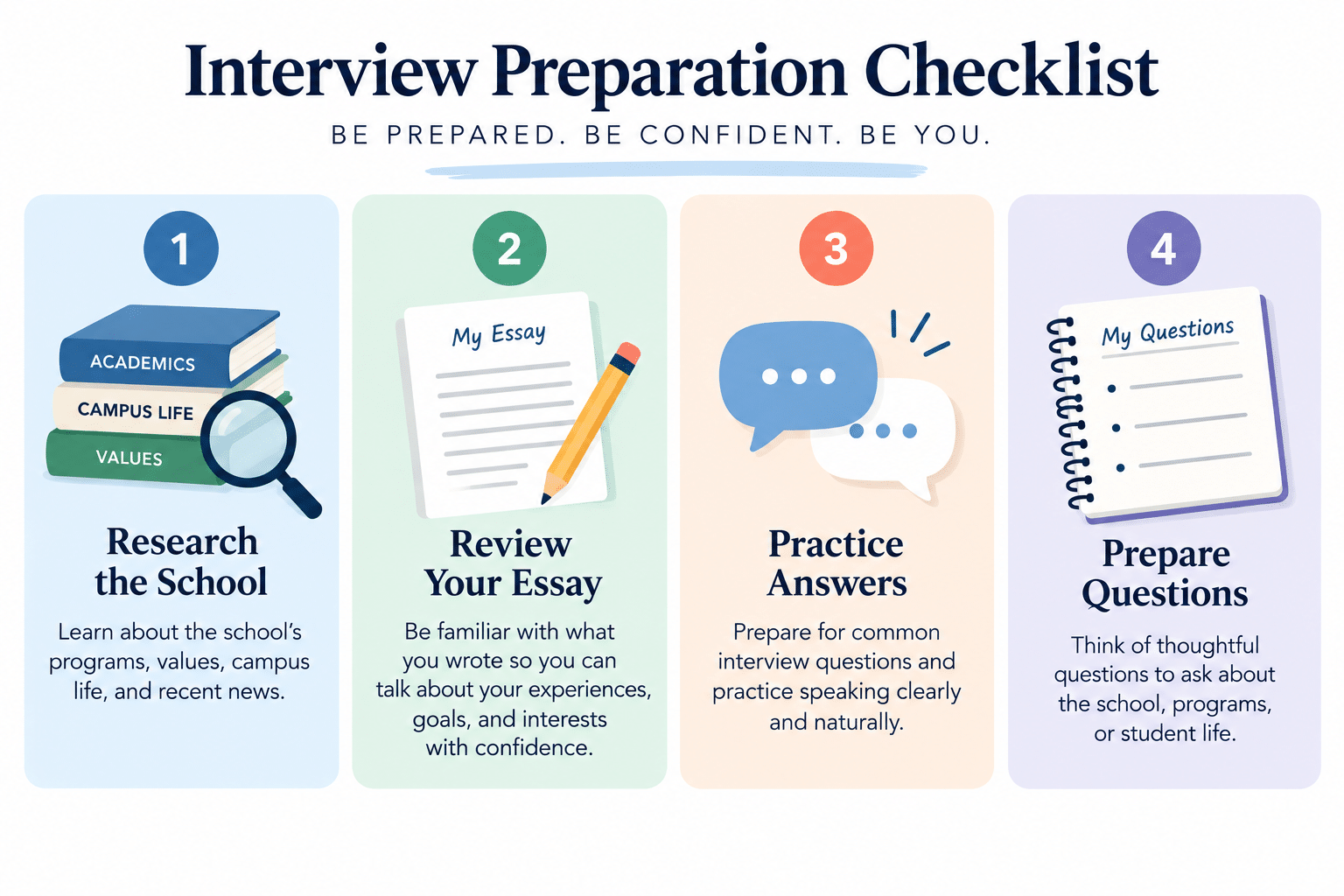
Prepare by researching the specific college’s programs, culture, and recent news; reviewing your own application and personal statement so your answers stay consistent; and rehearsing responses out loud rather than memorizing a script word for word. Prepare two or three genuine questions to ask the interviewer.
Reviewing your personal statement beforehand is particularly useful, since many interview questions overlap with essay topics and you can reuse specific stories or details you already wrote about. Practicing out loud — ideally with a friend or parent asking you questions cold — helps your answers sound conversational instead of rehearsed, which is what most admissions offices say they’re actually listening for.
What Are the Most Common College Interview Questions?
Common college interview questions include “Tell me about yourself” and “Why are you interested in this college?” “Why do you want to study this major?” and “What do you plan to contribute to this school?” Each is designed to reveal specific, concrete details about you rather than generic traits.
A few other frequently asked questions worth preparing for: your academic strengths and weaknesses, an obstacle you’ve faced and how you handled it, what you’d change about your high school, and what you like to do outside of academics. For all of these, admissions guidance consistently points to the same advice: avoid vague, generic answers, and instead ground your response in a specific story or detail that only you could give.
What Should You Wear and How Should You Behave?
Dress comfortably but appropriately — smart, neat, and not overly formal — and treat the interview as a genuine conversation rather than an interrogation to survive. Arrive a few minutes early, bring a copy of your resume or activity list if you have one, and be ready to engage rather than just answer.
Most students who’ve gone through the process describe the tone as more conversational than expected, even when the interviewer is working from a prepared list of questions. Relax, be yourself, and remember that the interviewer is also trying to help you figure out whether the school is a good fit for you — it isn’t a one-way evaluation.
What Mistakes Do Students Make in College Interviews?
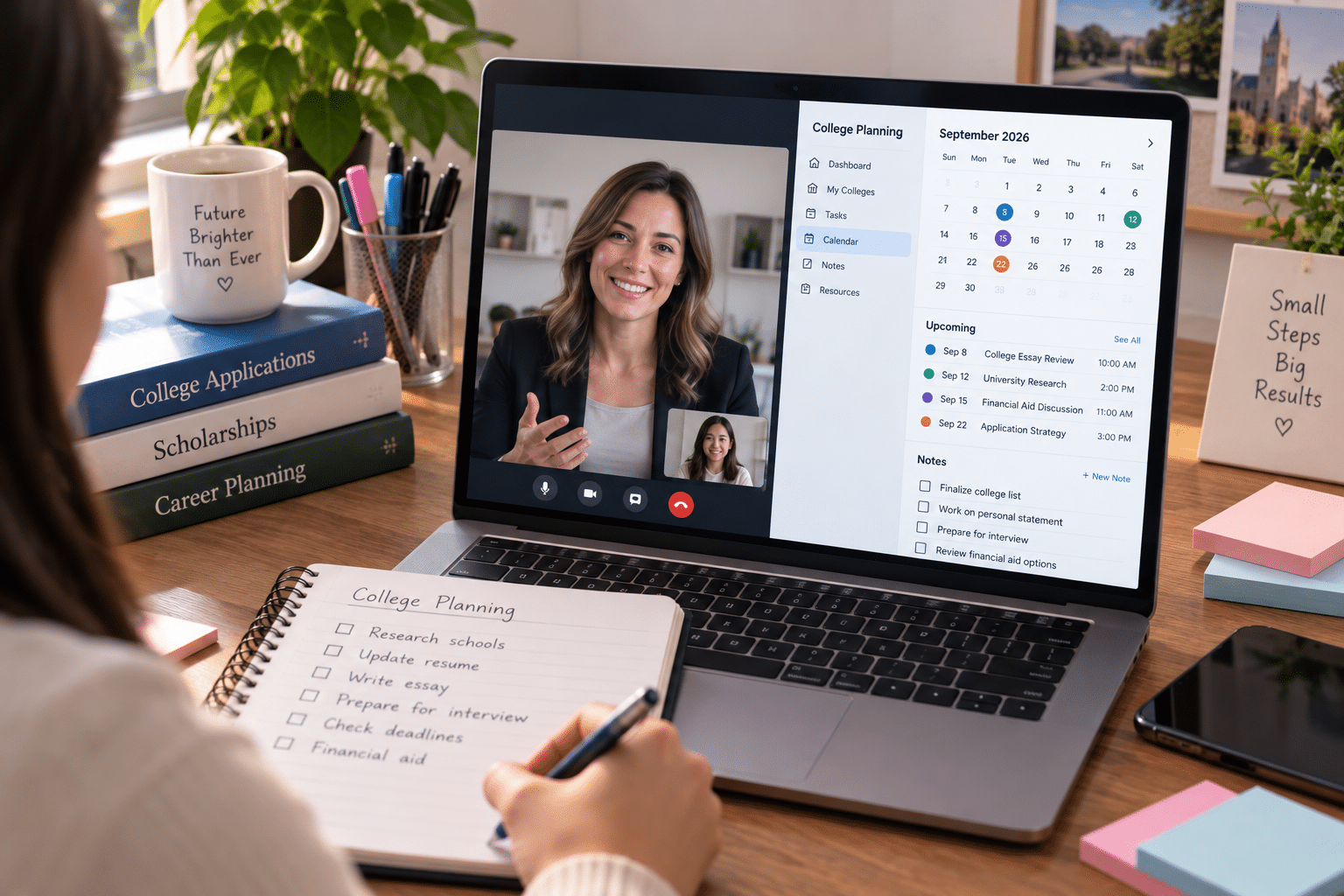
The most common mistakes are giving vague, generic answers instead of specific stories, failing to research the college beforehand, showing up without any questions to ask, and trying to memorize scripted answers word for word instead of speaking naturally. Any of these can make an otherwise well-qualified applicant seem less prepared than they are.
Answering “why this college?” with something generic like prestige, rankings, or location — rather than specific programs, faculty, or opportunities — is one of the most frequently flagged mistakes in admissions guidance, since it signals a lack of real research. Likewise, having no questions ready for the interviewer can come across as disengaged, even if the rest of the interview went well.
How Much Does the Interview Actually Matter to Admissions?
The interview is generally one of the lower-weighted factors in an admissions decision, and admissions directors have widely reported that it’s rarely the deciding factor on its own — but it can help tip a borderline application in a student’s favor. Treat it as a genuine opportunity, not a make-or-break moment.
| Situation | Recommendation |
|---|---|
| Interview is required | Prepare fully — treat it as evaluative |
| Interview is optional but offered | Take it; it signals demonstrated interest |
| Interview is informational only | Prepare lightly, focus on your own questions |
| No interview offered at a target school | Focus preparation time on essays and application materials instead |
| Interview is virtual | Test your setup in advance, treat it as seriously as an in-person meeting |
What Should You Do After the Interview?
Send a brief thank-you email to your interviewer within a day or two, mention something specific you discussed, and note any follow-up materials or deadlines they mentioned. This small step reinforces the personal connection you built and shows continued interest in the school.
Want Support Beyond the Interview?

Interview coaching isn’t a service College Planning Source currently lists, so if you’re looking specifically for mock interview sessions, that’s not something to expect from this program. What the company does offer is a broader, ongoing partnership: a Certified College Planning Counselor who works with students on student development, essay writing, application tracking, and college funding from as early as 9th grade through senior year. For families who want full-process support around the interview rather than a one-off coaching session, a complimentary one-on-one assessment is a reasonable starting point.
Frequently Asked Questions
Is a bad college interview a dealbreaker?
Usually not. Admissions directors have described the interview as one of the least heavily weighted parts of the application, and it’s rarely the sole reason for a rejection. A strong interview can help a borderline application, but a weaker one is unlikely to sink an otherwise solid one.
How long does a college interview usually last?
Most college admissions interviews last 30 to 60 minutes, whether conducted by a single admissions representative or a small panel. Virtual interviews tend to be similar in length.
Should I request an interview if it’s optional?
Yes, generally. Taking an optional interview when it’s offered demonstrates interest in the school, which can positively influence how your application is reviewed.
What if I get asked a question I didn’t prepare for?
Stay calm and answer honestly and specifically rather than trying to force in a memorized point. You can often draw on details from other questions you did prepare for, since many interview topics overlap.
Do all colleges offer interviews?
No. Interviews are most common at smaller, selective private colleges; many large public universities don’t offer them at all because of application volume. Check each college’s admissions website directly to confirm its policy.
Get Full Support for Your College Admissions Journey
If you’re preparing for interviews as part of a bigger senior-year (or earlier) push — essays, applications, financial aid forms, and a balanced college list — College Planning Source pairs families with a Certified College Planning Counselor for one-on-one virtual guidance through that entire process. The company currently offers a complimentary college planning assessment to help identify where a student stands and what to prioritize next.
At College Planning Source, we help students and families navigate every step of the college admissions process. Get direct one-on-one guidance with a complimentary virtual college planning assessment—call 858-676-0700 or schedule online at collegeplanningsource.com/assessments.