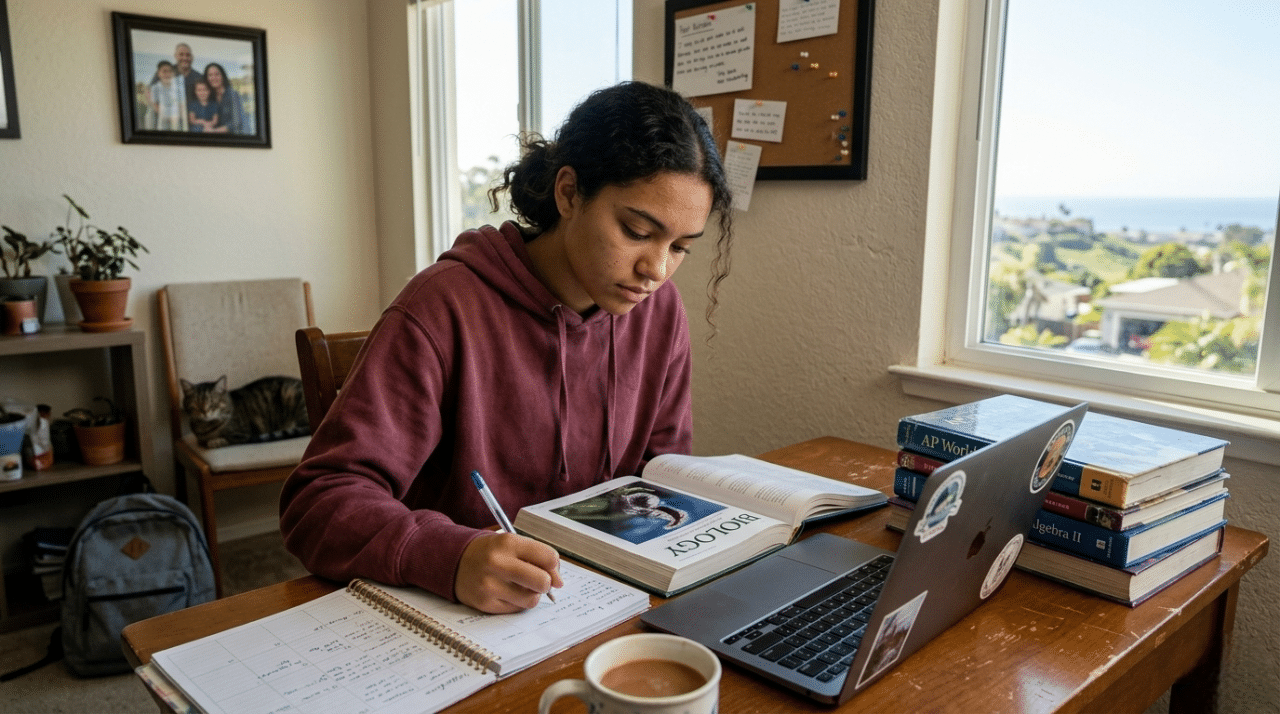
Preparing for college starts long before move-in day. Students across San Diego and Southern California benefit from developing strong academic habits early on, especially as high school expectations begin to mirror the independence required in college coursework. This means more than just earning good grades—it involves learning how to manage time effectively, study efficiently, and approach assignments with critical thinking.
A key step is transitioning from passive learning to active engagement. Instead of simply memorizing information, students should practice applying concepts, asking questions, and connecting ideas across subjects. This becomes especially important when tackling college-level courses that require deeper analysis and independent work.
Time management also plays a major role. Students who learn to balance school, extracurricular activities, and personal responsibilities in high school often find it easier to adjust to college schedules. Creating weekly study plans, setting deadlines, and avoiding last-minute cramming build habits that carry over into university life.
For students in competitive Southern California school districts, early preparation can also reduce stress during senior year. When academic routines are already established, students can focus more on confidently transitioning into the next phase of their education.
Understanding What Colleges Expect from Incoming Students
College is not just a continuation of high school—it’s a shift in expectations. Professors often assume students will take ownership of their learning, seek help when needed, and manage their workload independently. Understanding this shift in advance can make the transition smoother.
Incoming students should be aware that lectures may not cover everything required for exams. Reading assignments, independent research, and group discussions often carry significant weight. Learning how to take effective notes, review material consistently, and engage with course content outside of class becomes essential.
Another expectation is communication. Students must feel comfortable reaching out to professors, attending office hours, and collaborating with peers. In many San Diego colleges and universities, participation and collaboration are key components of academic success.
It’s also important to understand grading systems and academic integrity policies. Colleges tend to have stricter standards, and being familiar with these expectations early can prevent unnecessary mistakes. Preparing for this level of responsibility ensures students enter college ready to succeed rather than struggling to adapt.
Developing Life Skills for Campus Independence
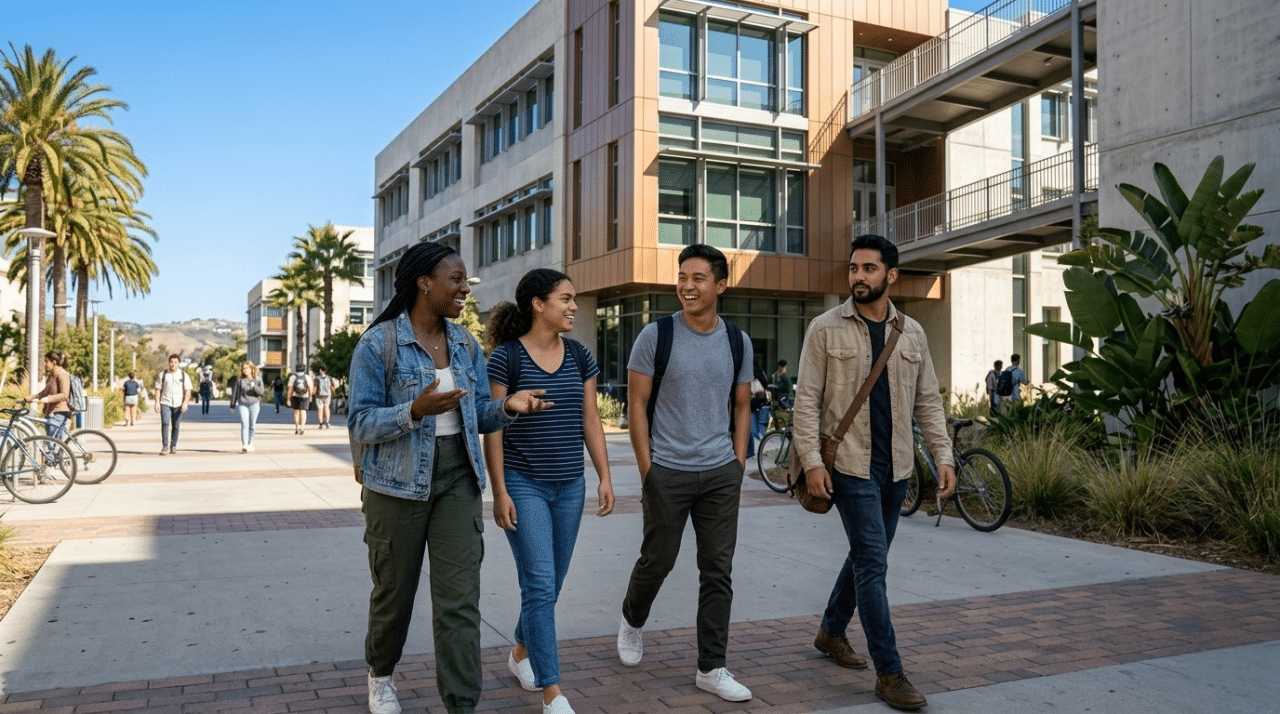
Academic readiness is only one part of the equation. Living on or near campus introduces new responsibilities that many students encounter for the first time. From managing finances to maintaining personal well-being, these life skills are critical for a smooth transition.
Students should start by learning basic financial literacy. Understanding how to budget, track expenses, and manage a bank account can prevent common financial pitfalls. In areas like San Diego, where the cost of living is higher, these skills become even more important.
Daily routines also matter. Cooking simple meals, doing laundry, and keeping a living space organized may seem minor, but they contribute significantly to a student’s overall well-being. When these tasks are manageable, students can focus more energy on academics and social experiences.
Equally important is mental and emotional health. College can bring both excitement and pressure, so developing coping strategies—such as time for exercise, social connection, or relaxation—helps maintain balance. Students who prioritize their well-being tend to perform better academically and enjoy a more fulfilling college experience.
Choosing the Right College Fit in Southern California
Selecting the right college is one of the most impactful decisions a student will make. Southern California offers a wide range of options, from large research universities in San Diego to smaller private colleges and community college pathways.
Students should consider academic programs first. Finding a school that aligns with their interests and career goals increases motivation and long-term satisfaction. For example, a student interested in marine biology might prioritize proximity to coastal research facilities in San Diego.
Campus culture is another important factor. Some students thrive in large, diverse environments, while others prefer smaller, close-knit communities. Visiting campuses, attending virtual tours, and speaking with current students can provide valuable insights.
Location also plays a role. Being in a city like San Diego offers access to internships, networking opportunities, and a vibrant lifestyle. However, students should balance these benefits with personal preferences for pace, climate, and distance from home.
Ultimately, the right college fit is one that supports both academic success and personal growth. Taking the time to evaluate options carefully leads to a more rewarding college experience.
Building Confidence Through Extracurricular and Social Preparation

College life extends beyond the classroom. Students who actively engage in extracurricular activities often develop skills that enhance both their academic and personal experiences. Leadership, teamwork, and communication are just a few of the benefits gained through involvement.
In high school, students should explore clubs, sports, volunteer opportunities, or part-time jobs that align with their interests. These experiences not only strengthen college applications but also help students discover their passions.
Once on campus, getting involved becomes even more important. Universities in Southern California offer a wide range of organizations, from academic societies to cultural groups and recreational clubs. Joining these communities helps students build friendships and feel connected.
Social preparation also includes learning how to navigate new environments. Meeting new people, managing relationships, and adapting to diverse perspectives are all part of the college experience. Students who enter college with an open mindset and strong interpersonal skills are more likely to thrive.
Confidence grows when students feel prepared both academically and socially. By developing these skills early, they set themselves up for a more enjoyable and successful transition.
Creating a Clear Plan for the First Year of College
The first year of college sets the tone for everything that follows. Having a clear plan can help students stay focused and avoid feeling overwhelmed during this major life transition.
Start by mapping out academic goals. This includes carefully selecting courses, understanding degree requirements, and setting realistic expectations for workload. Students should also identify available resources such as tutoring centers, academic advisors, and study groups.
Time management becomes even more important during the first year. Without the structure of high school, students must create their own schedules. Using planners, digital calendars, or task management tools can help keep everything organized.
It’s also helpful to set personal goals. Whether it’s joining a club, making new friends, or exploring San Diego’s local opportunities, having intentions beyond academics creates a more balanced experience.
Regular self-check-ins can make a big difference. Reflecting on what’s working and what needs adjustment allows students to stay on track and make improvements early.
With the right plan in place, students can approach their first year with confidence, clarity, and a strong sense of direction.
At College Planning Source, we help students and families navigate every step of the college admissions process. Get direct one-on-one guidance with a complimentary virtual college planning assessment—call 858-676-0700 or schedule online at collegeplanningsource.com/assessments.